
Raw Fynbos Honey
Wild-harvested. Seasonal. Raw and unfiltered.
A true expression of the Cape’s unique botanical landscape.
Ingredients:
100% raw fynbos honey
Our honey is gathered from bees foraging freely among indigenous fynbos on our land. Depending on the season, this includes flowering plants such as watsonias, gladioli, lachanalias, wild rosemary (kapokbos), and helichrysum, alongside countless other species found nowhere else in the world.
Fynbos is not farmed in rows. It is wild, seasonal, and highly diverse. As a result, no two honey harvests are ever the same. Flavour, colour, and aroma change naturally depending on which plants are in bloom.
We see ourselves as custodians of this landscape. We actively protect and preserve the fynbos on our smallholding, allowing it to regenerate and thrive, and placing our hives carefully so that bees can forage naturally within it.
Our honey is extracted by hand and never heated. It is gently strained through a coarse sieve to remove natural hive debris, without fine filtration or processing. This means the natural enzymes, pollen, and flavour remain intact.
We harvest only when the bees have excess, taking care not to disturb the health of the hive. Annual production is small and limited by nature. If we are out of stock, it simply means we are waiting for the next flow.

The fynbos biome forms part of the Cape Floral Region, one of the most botanically diverse regions on earth.
This diversity is reflected in the honey itself. It is complex, floral, and deeply connected to place. There is no blending, standardising, or forcing consistency. What you taste is the season.
Perfect Pairing
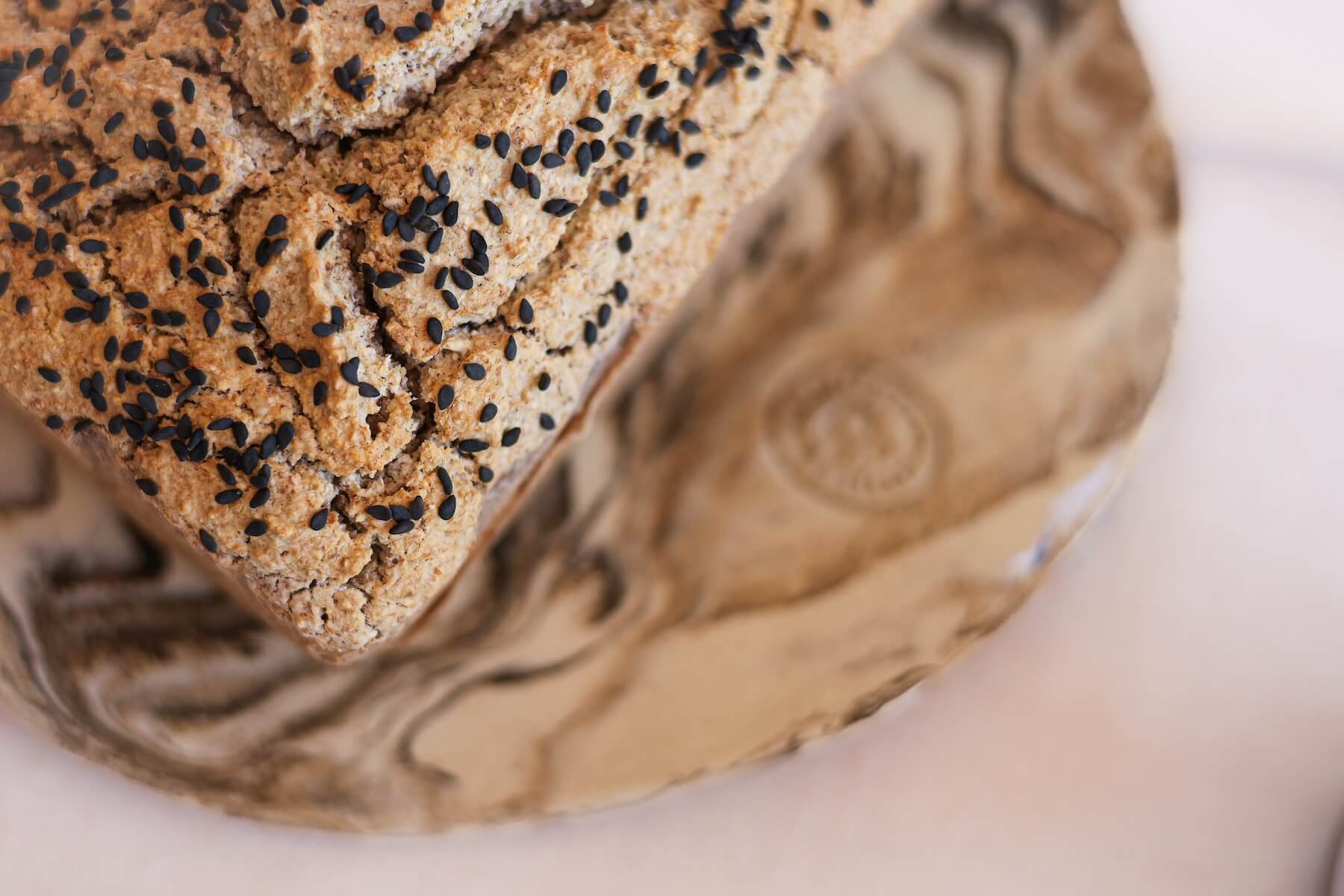
Enjoy our Raw Fynbos Honey with our naturally gluten-free fermented Buckwheat Bread. A simple, nourishing combination that lets the flavour of the honey shine.
Wholesale
Buy our Raw Fynbos Honey
Ideal for artisanal delis, speciality grocers, and health-focused food stores looking for a truly local product with a strong sense of place. Contact us to find out if we have honey in stock, as our supply is always limited.